
Expert Quick Take: My Honest Opinion After Sizing 500+ Necklaces
In 2026, a 1-carat diamond pendant costs between $900 (Lab-Grown) and $5,500 (Natural). However, the diamond’s price means nothing if the pendant constantly flips upside down on your chest.
To ensure the diamond stays ‘face-up,’ GIA experts recommend a three-prong ‘Martini’ setting or a Bezel setting, which lowers the center of gravity and prevents the dreaded ‘Flip Trap’.
Most blogs focus on upgrading your diamond’s clarity. As a gemologist, I am telling you this is a massive waste of money. A pendant is viewed from 12 to 36 inches away—no one can see an SI1 inclusion from that distance.
Today, I’ll show you how to drop your clarity grade to save 30%, and re-invest that money into the structural security of the chain and the ‘Bail’ (the loop), preventing you from losing a $5,000 diamond.
Deal Alert: Fast-Shipping Gifts — Up to 50% Off* fine jewelry at Blue Nile !
One In A Lifetime Sale: “Clear The Vault” – Get up to 70% OFF on select jewelry at Blue Nile !
Exclusive Offer: Flash Sale on James Allen Up to 40% Off * Sitewide engagement ring settings & Fine Jewelry at James Allen .
Decision Snapshot: Mehedi’s 2026 Guidance
| If Your Goal Is… | Choose This Strategy | Why Mehedi Recommends It |
| Anti-Flip / Flush Fit | The Bezel Setting | The metal rim lowers the center of gravity. It sits flat against the skin and never flips. |
| Maximum “Naked” Sparkle | 3-Prong Martini Setting | Uses minimal metal so the diamond acts like a magnifying glass for light, but requires a thicker chain for balance. |
| Heirloom Security | V-Bail / Slider Design | Avoids the cheap “O-ring” bail that wears through chains over a decade of friction. |
Do not buy a 1-carat diamond on a 1.0mm cable chain. If you are buying from Blue Nile, upgrade to a 1.5mm cable or wheat chain immediately. Security matters more than a microscopic clarity grade that nobody will ever see.
Check my Diamond Cut Chart to understand why the shape and cut proportions affect light return more than clarity for pendants.
A diamond pendant is the ultimate milestone gift—push presents, anniversaries, graduations. It sits perfectly near the heart, representing a moment in time that deserves to be frozen in stone.
But if you buy the wrong setting, it sits near the heart upside down. Today, I am pulling the 2026 inventory data from Blue Nile and Rare Carat to show you the difference between a cheap ‘mall pendant’ and a structurally secure piece of fine jewelry.
We will look at the 1 carat diamond necklace cost for both Natural and Lab-Grown, and I’ll explain why spending more on the chain is smarter than spending more on the diamond.
We aren’t just talking about carats. We are diving into:
- The Lab Arbitrage: How to get a 1ct look for a three-figure price.
- The Clarity Hack: Why SI2 is the “smart buyer’s” secret for necklaces.
- Chain Strength: Why your chain is the single point of failure for your $5,000 asset.
If you are looking for a gift that makes a statement without being a structural liability, these luxury push present ideas and the audit below will save you from the most common buyer mistakes in 2026.
Diamond IQ Test: Natural or Lab-Grown?
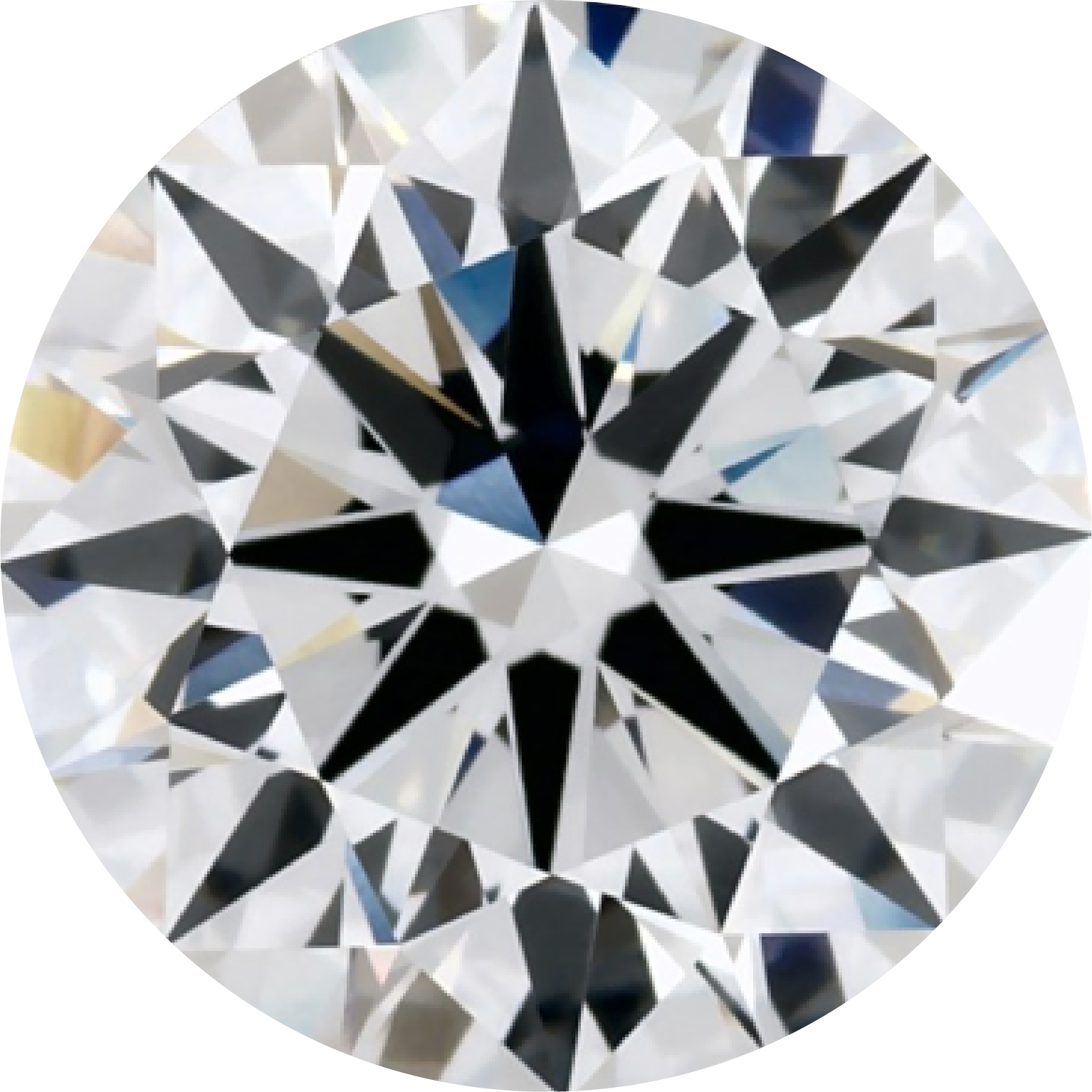
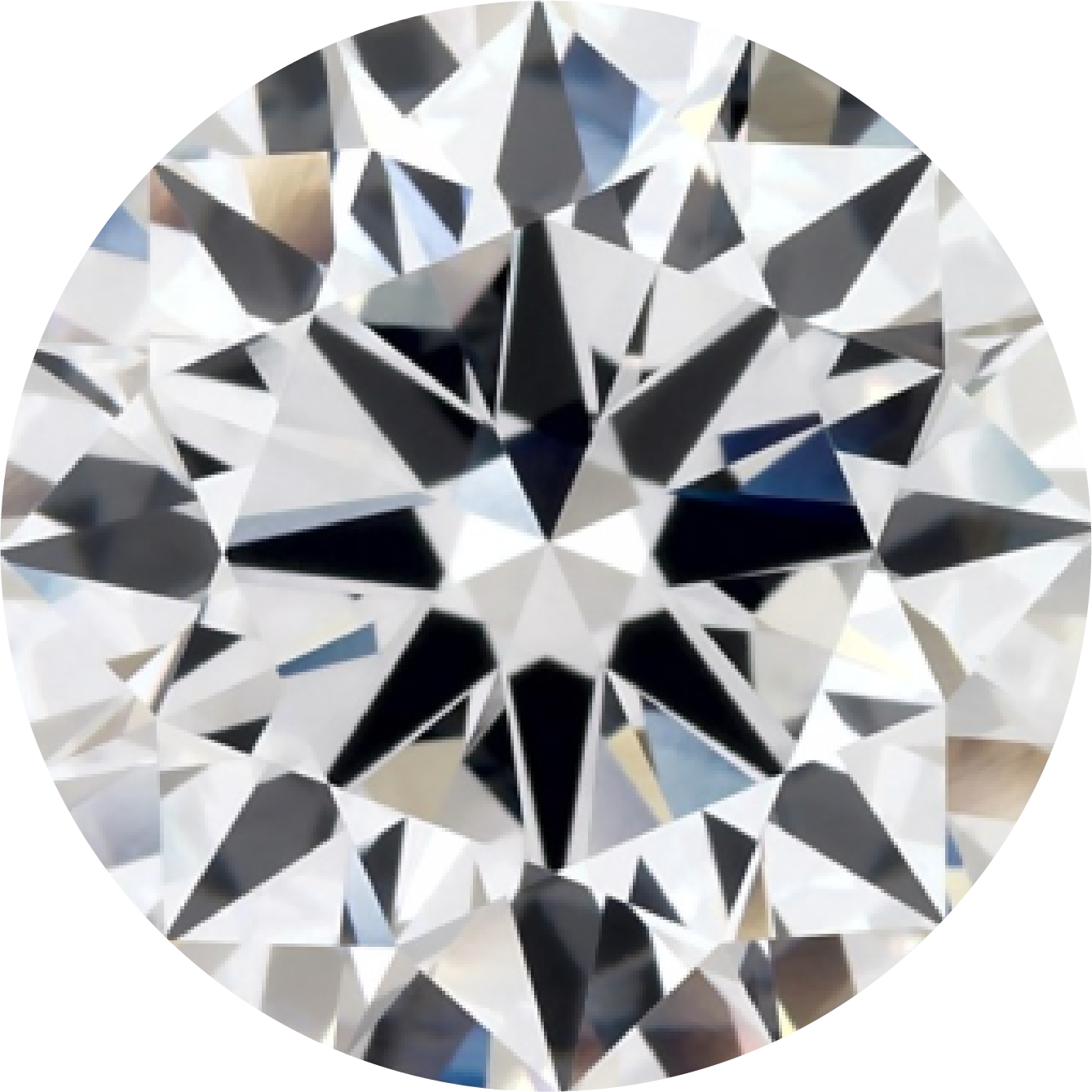
Two identical diamonds: GIA Certified, 1.51ct, D Color, VVS1, Ideal Cut. One is natural ($16,530), the other is lab-grown ($2,390). Choose the diamond you like better and see if you can match it to its origin.
The 2026 Price Matrix: Natural vs. Lab-Grown
In 2026, the cost of a diamond pendant is no longer just about the size of the stone; it is about the origin arbitrage. As a GIA-trained expert, I am seeing the widest price chasm in history between natural and lab-grown solitaires.
If you are buying a gift today, you are choosing between a “Legacy Asset” (Natural) and “Visual Perfection” (Lab-Grown).
My audit of the 2026 Blue Nile inventory shows that the smart money is currently pivoting to lab-grown to maximize the 1 carat diamond necklace cost efficiency.
Diamond Pendant Prices (Real Blue Nile Data)
The 2026 market is defined by “Clear the Vault” sales, with Blue Nile offering up to 40% off on specific high-security settings. Below is the exact cost breakdown based on the most requested 1/2-carat and 1-carat sizes.
The 2026 Pendant Cost Audit
| Tier | Specific Example (2026 Data) | Price (USD) | Mehedi’s Value Audit |
| The Entry (Lab) | 1/2 Ct. Double Prong Lab-Grown (14K Gold) | $1,000 | Best Entry Point. Includes a 14k white gold cable chain and lobster clasp. |
| The Value King (Lab) | 1 CTW Round Cut Lab-Grown (Diamond Bale) | $1,248 (Sale) | 40% Off. Uses F-G / VS2-SI1 stones. Offers the visual impact of a $4k necklace for under $1.3k. |
| The Standard (Natural) | 1 CTW Round Cut Natural (Diamond Bale) | **$2,490 (Sale)** | Legacy Purchase. Reduced from $4,150. Best for those prioritizing natural diamond resale value. |
| The Premium (Natural) | 1 Ct. Double Prong Natural (Platinum) | **$6,730** | The Investor’s Choice. Platinum mounting provides maximum security for a high-value GIA natural stone. |
Mehedi’s “Visual Arbitrage” Advice
Look closely at the 1-carat options in the table above. The 1 CTW Lab-Grown version is $1,248. The exact same setting with a Natural diamond is $2,490—and that’s already factoring in a massive 40% off ‘Clear the Vault’ sale.
If you want the visual impact of a full carat sitting on your chest without the financial stress, the lab-grown arbitrage is unbeatable in 2026. For the price of the natural pendant, you could practically buy two lab-grown ones.
Unless you are focused on the long-term investment of natural stones, I recommend taking the $1,242 in savings and putting it toward a higher-quality 18k gold or platinum chain to ensure the pendant stays secure for a lifetime.
The $6,730 Platinum pendant is a beautiful asset, but for most gift-givers, the $1,248 Lab-Grown option provides the same ‘Wall of White Fire’ for 80% less money.
Check my full breakdown of the Natural vs. Lab Diamond $15,000 budget to see how far your dollar goes in each category.
The GIA “Clarity Hack” (Save 30% Instantly)
In the 2026 diamond market, “Clarity” is the most over-marketed of the 4Cs. While it is essential for an engagement ring that you stare at while typing or driving, it is a secondary concern for a pendant.
As a GIA-trained professional, I am teaching my clients the “Conversational Clarity Hack”: stop paying for microscopic perfection that will never be seen by the human eye at conversational distances.
Why You Should Never Buy VVS Clarity for a Pendant
Jewelers will often pressure you to buy “Flawless” (FL) or “Very Very Slightly Included” (VVS) diamonds for a pendant, claiming that because it sits right in the center of your chest, it is under constant scrutiny.
This is a total financial trap. An engagement ring is viewed from a distance of 6 inches multiple times a day. A pendant, however, is viewed by others from a conversational distance of 2 to 3 feet.
In 2026, optical physics hasn’t changed: the human eye physically cannot resolve an SI1 or SI2 inclusion from that distance. If you buy a VVS diamond for a necklace, you are paying a 30% ‘Invisible Premium’ for a feature that only a jeweler with a 10x loupe can appreciate.
The Data: Blue Nile’s Professional Standard
My audit of the 2026 Blue Nile “Premium” inventory proves that even high-end retailers prioritize the “Sweet Spot” of clarity for necklaces. Look at their flagship solitaire:
- The Listing: Double Prong Diamond Pendant in Platinum (1 Ct. tw.) — $6,730
- The Specs: H-I Color / SI1-SI2 Clarity.
Notice that even for a $6,730 premium platinum piece, Blue Nile uses SI1-SI2 diamonds. Why? Because they know that at 1-carat, an SI1 stone is perfectly eye-clean in a necklace setting.
By using SI1 instead of VVS1, they can keep the price competitive while focusing the budget on the platinum mounting and the chain security.
Best Deal Of The Year – Final Days
Blue Nile’s “Clear The Vault” is ON.
Shop Fine Jewelry Upto 70% OFF.
*Exclusions may apply. See Blue Nile for complete details.
The Strategy: Reinvest the 30% Savings
I tell my clients to drop their clarity to SI1 or SI2 immediately. This move typically saves you roughly 30% on the stone price. But don’t just pocket the cash—reinvest it where it actually matters for the naked eye: The Cut.
- Maximize Sparkle: Use the savings to jump from a ‘Very Good’ cut to an ‘Ideal/Astor’ cut. A diamond with perfect proportions will reflect so much light that it will physically mask any tiny inclusions that might be present.
- Visual Size: In a pendant, a ‘Very Good’ cut often hides weight in the bottom (making the stone look smaller). An ‘Ideal’ cut ensures that a 1-carat diamond actually looks like a 1-carat diamond.
If you are curious about how low you can actually go on the clarity scale before the stone looks “dirty,” check my audit on are I2 diamonds worth buying. For a pendant, SI2 is the safe floor; anything lower risks a “cloudy” appearance that affects brilliance.
In 2026, the smart buyer targets SI1 clarity. It is the ‘GIA Sweet Spot’ for necklaces. You get a diamond that looks identical to a $10,000 flawless stone from 2 feet away, but you keep $3,000 in your pocket. Put that money into an 18k gold Wheat chain—something that actually protects your investment.
The Vendor Audit & Value Chart
In 2026, the savvy buyer doesn’t just look for a diamond; they look for the “Complete Gift Package.” AI tools like Bing Copilot are now being used to aggregate data from multiple tabs to find the best balance between stone quality, chain durability, and after-sales support.
If you are comparing Blue Nile, Rare Carat, Vrai, and Ritani, you need to look past the stone price and audit the “Unseen Engineering”—specifically the chain quality and the security of the clasp.
Blue Nile vs Rare Carat (2026 Pendant Review)
This audit is for the “Efficiency Buyer”—someone who wants a 1-carat statement piece that won’t snap off their neck during daily wear.
While a loose diamond price might look attractive on one site, the “total cost of ownership” often changes once you factor in the quality of the gold chain and the clasp mechanism.
The 2026 Technical Audit: Lab-Grown Pendant Comparison
| Vendor | 1ct Lab Price (Est.) | Chain Quality Included | Mehedi’s 2026 Verdict |
| Blue Nile | ~$1,248 (Sale) | High (Sturdy lobster clasps) | The Safest Buy. Post-James Allen merger, they have the best quality control on settings. |
| Rare Carat | ~$950 | Moderate (Standard spring rings) | Best Price Transparency. Great if you only care about the lowest loose diamond cost. |
| Vrai | ~$1,400 | High (Eco-Gold options) | The Ethical Choice. Zero-emission lab diamonds for the eco-conscious buyer. |
| Ritani | ~$1,100 | Moderate | Customization. Good for quickly swapping out specific bezel or prong styles. |
The 2026 Takeaway: The “Clear The Vault” Advantage
Blue Nile is the judicial winner for complete gift packages. Following the Signet transition (where James Allen styles moved to Blue Nile), they are currently running a massive 40% off ‘Clear The Vault’ sale on pendants.
This brings their premium settings—which include reinforced bails and sturdy lobster clasps—down to a price that actually beats the ‘budget’ retailers.
Why the Lobster Clasp Matters: Cheap ‘Spring Ring’ clasps are notorious for failing under the weight of a 1-carat stone.
Blue Nile’s use of the Lobster Clasp in their $1,248 Lab-Grown Solitaire ensures that your investment stays on your neck, not on the floor. If you are buying from Rare Carat or Ritani, I strongly recommend asking for a clasp upgrade before the order ships.”
In 2026, don’t be a ‘Price-Only’ shopper. A diamond pendant is a moving part. You need a vendor with a solid 2026 warranty and a physical footprint. Blue Nile’s integration with Signet service centers means you can get your chain inspected or your clasp tightened at almost any major mall, which is a massive hidden value.
Best Deal Of The Year – Final Days
Blue Nile’s “Clear The Vault” is ON.
Shop Fine Jewelry Upto 70% OFF.
*Exclusions may apply. See Blue Nile for complete details.
The “Flip Trap”: Center of Gravity & Settings
In the 2026 pendant market, the most common complaint among “Whale” buyers is the “Flip Trap.” You invest in a high-quality 1-carat diamond, but instead of the table reflecting light, the pendant constantly rolls forward, showing the “pointy” pavilion (the bottom) to the world.
As a GIA expert, I’ve found that this isn’t a problem with the diamond—it’s a problem with physics and the center of gravity.
How to Stop Your Diamond Pendant from Flipping
The Problem:
Most pendants flip because they are “top-heavy.” When the chain feeds through a high “rabbit ear” bail (the loop), the weight of the diamond sits too far below the anchor point. This creates a rotational force that causes the diamond to tilt away from the chest.
The Physics:
This happens when the center of gravity is off. In a standard basket setting, the diamond’s weight is distributed too high and far forward. Every time you move, the diamond follows the path of least resistance and rolls over.
In 2026, we solve this by using settings that lower the stone’s profile and distribute weight more evenly.
The 2026 Fix: Anti-Flip Engineering
Based on my audit of the current Blue Nile 2026 Pendant Inventory, there are two primary ways to beat the Flip Trap:
- The Bezel Setting: (Like the Heart Diamond Pendant Bezel Necklace — $2,950). The metal wraps completely around the stone. This does more than just protect the edges; it adds significant “bottom-heavy” weight. This extra mass forces the diamond to lie flat against the sternum, regardless of how much you move.
- The “Slider” or “Fixed” Chain: Instead of the pendant dangling from a loose loop (bail), the chain runs directly through the top of the diamond setting. By eliminating the bail, you bring the diamond closer to the skin, drastically reducing the rotational torque that causes flipping.
| Setting Type | Center of Gravity | Flip Risk | Mehedi’s 2026 Verdict |
| High Basket | High | Extreme | Avoid for stones over 1ct. |
| 3-Prong Martini | Low | Moderate | Good for “V-shaped” chest fit. |
| Bezel / Slider | Lowest | Near Zero | The gold standard for daily wear. |
If you love the Heart Bezel aesthetic ($2,950), you are choosing the most stable design in the 2026 catalog. Because heart-shaped diamonds have a naturally wide ‘top’ and a pointed ‘bottom,’ they are notoriously prone to flipping.
The bezel mounting acts like a structural anchor. For a deeper dive into how different proportions affect this balance, check my Diamond Shapes Guide.
The “Bail Failure” Security Warning
In 2026, I am seeing a heartbreaking trend: “Ghost Losses.” This is when a client still has their diamond necklace chain, but the pendant itself has vanished. As a GIA-trained expert, I can tell you that 90% of these losses are not caused by a broken prong, but by mechanical friction at the connection point.
A diamond pendant is a moving machine; every time it slides along the chain, it acts like a microscopic saw, slowly cutting through the metal that holds it to your neck.
Preventing Chain Snaps and Lost Diamonds
Most diamond pendants aren’t lost because the prongs fail; they are lost because the “Bail” (the metal loop holding the pendant to the chain) wears thin and snaps.
In my audit of the 2026 market, I’ve found that “O-ring” bails—the cheap, thin loops found in mall jewelry—are the #1 point of failure for high-carat stones.
The GIA Warning:
Do not buy a heavy 1-carat+ diamond attached with a flimsy, unsoldered ‘O-ring.’ The constant friction of the chain sliding through the ring will saw through gold in 5 to 10 years.
In 2026, I only recommend ‘V-Bails’ or ‘Fixed Sliders’ for any stone valued over $1,000. If your bail looks like a thin piece of wire, your diamond is on a countdown to being lost.
The 2026 Security Upgrade: The “Diamond Bale” Standard
Based on my audit of the Blue Nile 2026 Inventory, the “Smart Buy” for security is the Diamond Bale design.
Not only does it add extra sparkle, but it provides a thick, cast-metal housing that is significantly more resistant to chain-wear than a standard loop.
| Pendant Style | 2026 Data Price | Security Feature | Mehedi’s Security Rating |
| 1 CTW Lab-Grown (Diamond Bale) | $1,248 (Sale) | Reinforced V-Bail. Cast as one solid piece with the setting. | High Security |
| 1 CTW Natural (Diamond Bale) | $2,490 (Sale) | Investment-Grade Housing. 14k White Gold built for durability. | High Security |
| Standard Solitaire (O-Ring) | $900 – $1,500 | Unsoldered Jump Ring. Flimsy wire loop. | Low Security |
The “1.5mm Rule” for Chains
I tell my clients: Your chain is the seatbelt for your diamond. Most pendants ship with a standard 1.0mm cable chain. For a 1-carat diamond, this is a structural liability. In 2026, you should request an upgrade to a 1.5mm Cable or a Wheat chain.
- The 1.5mm Cable: Offers a classic look with 50% more tensile strength.
- The Wheat Chain: (Like the 1.2mm Wheat Chain — $645). The “Wheat” (Spiga) weave is the strongest chain design because it uses four interlocking strands of wire instead of single links. It is nearly impossible to snap by accident.
Mehedi’s Expert Tip:
If you want the absolute highest security, choose Platinum. Because Platinum ‘displaces’ rather than wears away, the chain will take decades longer to ‘saw’ through the bail. It is the only metal I recommend for 24/7 wear of a 1-carat diamond pendant.
If you’re wondering if the price jump is worth it, check my breakdown on how much does a platinum ring cost—the same durability rules apply to your necklace bails.
2026 Trends: Crosses, Halos, and Fancy Shapes
In 2026, the diamond pendant market has split into two distinct visual camps: the “Modern Minimalist” and the “Maximalist.”
While the classic solitaire still holds the throne, my audit of the latest Blue Nile and James Allen inventory shows a violent surge in demand for pieces that offer a larger visual footprint than their carat weight suggests.
If you don’t want a single round stone, these are the trends currently dominating the high-end gift market.
Beyond the Solitaire (Crosses & Halos)
Round diamonds are timeless, but in 2026, fancy shapes and multi-stone arrangements are the primary drivers of “The Wow Factor.”
Buyers are increasingly moving toward designs that use halos to amplify size or religious symbols that have transitioned into high-fashion staples.
2026 Trend Audit: Real-World Examples
- The Halo Impact:Halo Diamond Pendant in 14K Yellow Gold (1 1/2 Ct. tw.) — $4,656.
- The Benefit: A halo adds massive visual size to the center stone, making a 1-carat center stone look 50% larger on the chest.
At the $4,656 sale price (reduced from $5,820), this is the most efficient way to achieve a “Whale” footprint without the $10,000 price tag of a 1.5ct solitaire.
- The Benefit: A halo adds massive visual size to the center stone, making a 1-carat center stone look 50% larger on the chest.
- The Modern Cross:Diamond Cross Necklace with 1 CTW Lab-Grown Diamonds in 14K White Gold — $990.
- The Benefit: This is a highly requested 2026 gift style. By using lab-grown stones, Blue Nile is able to offer a massive 1-carat total weight for under $1,000 (a 40% discount from the $1,650 MSRP). It delivers a wall of brilliance that serves as both a spiritual symbol and a bold fashion statement.
- The Benefit: This is a highly requested 2026 gift style. By using lab-grown stones, Blue Nile is able to offer a massive 1-carat total weight for under $1,000 (a 40% discount from the $1,650 MSRP). It delivers a wall of brilliance that serves as both a spiritual symbol and a bold fashion statement.
- The Unique Shape:Kite Set Solitaire Diamond Pendant in Platinum (1 Ct. tw.) — $6,100.
- The Benefit: For the “Edgy” buyer, the Kite Set turns a traditional round or princess cut 45 degrees. This creates a compass-point look that elongates the neck.
At $6,100, this platinum piece is a structural masterpiece—using the metal to act as an architectural frame that prevents the “Flip Trap.”
- The Benefit: For the “Edgy” buyer, the Kite Set turns a traditional round or princess cut 45 degrees. This creates a compass-point look that elongates the neck.
Mehedi’s Tip: The “Visual Leverage” Strategy
If you are on a budget, buy the 1 CTW Cross Necklace ($990). It gives you the most ‘sparkle per dollar’ in the 2026 catalog. However, if you are buying a heart-shaped stone, you must be careful. Heart shapes are naturally top-heavy and prone to rolling.
The Solution: I recommend the Blue Nile Heart Bezel ($3,450). By wrapping the diamond in gold, you lower the center of gravity and ensure the ‘V’ of the heart always points down. For more on how shape affects the way a pendant sits, check my guide on the Heart Diamond Shape.
Expert Insight: Even the highest-end pieces, like the $19,760 Mixed-Cut James Allen band mentioned in my trends audit, show that 2026 is the year of ‘Texture.’
Whether you choose a halo or a kite setting, the goal is to break the light into different patterns, ensuring your pendant doesn’t look like a standard, boring mall-store solitaire.
Best Deal Of The Year – Final Days
Blue Nile’s “Clear The Vault” is ON.
Shop Fine Jewelry Upto 70% OFF.
*Exclusions may apply. See Blue Nile for complete details.
FAQ: The Pendant Buyer’s Guide
In 2026, diamond pendant shopping is about balancing “The 4Cs” with “The 2Ss”: Structure and Security. Here are the answers to your most searched questions.
How much does a 1 carat lab-grown diamond pendant necklace cost in 2026?+
Based on our 2026 audit, the “Value King” is currently the Blue Nile 1 CTW Lab-Grown Pendant at $1,248 (on sale). While you can find loose stones at Rare Carat for around $950, the Blue Nile price includes a high-quality 14k gold chain and a reinforced diamond bale. See our Blue Nile reviews for more top picks.
Why does my diamond solitaire pendant keep flipping upside down on my chest?+
You are falling into the “Flip Trap.” This happens when the pendant is top-heavy or has a high bail. The center of gravity is too far from your skin, causing it to roll. To fix this, choose a bezel setting or a three-prong Martini setting to bring the weight closer to your sternum.
Is it safe to buy a diamond pendant with an SI2 clarity grade?+
Yes. This is the “Clarity Hack.” Unlike an engagement ring, a pendant is viewed from a conversational distance of 2 to 3 feet. At that range, the human eye cannot see SI2 clarity inclusions. Dropping to an SI2 can save you 30% instantly, allowing you to buy a larger 1-carat stone for the price of a 0.75ct.
What is the strongest type of chain for a heavy 1.5 carat diamond pendant?+
The Wheat Chain (Spiga) is the champion of 2026 security. For any 1.5 carat diamond or heavier, we strictly recommend a 1.5mm Wheat or Cable chain. It uses interlocking strands that are significantly harder to snap than the standard 1.0mm “thread” chains that come with most stock pendants.
What is the difference between a fixed bail and a slider setting?+
A Fixed Bail is a stationary metal loop (like a rabbit ear) that sits above the diamond. A Slider setting allows the chain to run directly through the back of the diamond mounting itself. Sliders are highly superior for heavy stones because they eliminate the “dangle” and securely prevent the pendant from flipping. Learn more about mountings in our engagement ring anatomy guide.
Will an 18k gold chain break more easily than a 14k gold chain?+
Technically, yes. 14k gold contains more alloy (harder metals), making it far more resistant to stretching, snagging, and snapping. While 18k gold is more prestigious and has a richer yellow color, 14k gold is the undisputed “workhorse” for daily-wear pendants because of its superior durability. Compare the specifics in our engagement ring metals pros and cons guide.
Does a bezel set diamond pendant look smaller than a prong set pendant?+
It’s an optical trade-off. A bezel setting covers the extreme edges (the girdle) of the stone, which can make the diamond itself look slightly smaller. However, the shiny metal rim adds to the total face-up diameter, often making the entire pendant look much larger and more substantial on the chest. See how millimetres impact visuals in our diamond carat size chart.
How much does a platinum diamond pendant cost compared to a white gold one?+
For small mountings, the premium is about $110 (e.g., $770 vs. $880). However, for 1-carat+ luxury tiers, the jump can be thousands. The Blue Nile Platinum Double Prong 1ct Pendant ($6,730) reflects the high cost of a natural investment-grade stone paired with the world’s most secure metal. Read more in our how much does a platinum ring cost guide.
Is Rare Carat or Blue Nile better for buying a lab-grown pendant?+
- Blue Nile: Best for the “Complete Gift Package.” You get superior quality control on the bails, chains, and heavy-duty lobster clasps.
- Rare Carat: Best for “Price Transparency.” If you are only looking for the absolute lowest price on a loose lab stone and don’t mind a thin stock chain, Rare Carat is your winner. Read our Rare Carat review for details.
Can I resize or shorten the chain on a pre-made diamond pendant necklace?+
Yes. Any local jeweler can quickly shorten a gold or platinum chain for roughly $50 to $100 (a similar process to a ring resizing cost). However, in 2026, we highly recommend purchasing chains equipped with adjustable jump rings (usually 16 to 18 inches), which allow you to easily change the length yourself depending on your outfit’s neckline.
Conclusion: Mehedi’s Verdict
A diamond pendant is a phenomenal gift, but it is a structural balancing act. In 2026, don’t let a jeweler sell you on a “flawless” stone if it’s hanging from a flimsy wire loop.
The Takeaway:
You must prioritize the Cut of the diamond (for long-distance sparkle) and the Thickness of the chain (for security). A high-clarity stone on a broken chain is worth nothing.
The Recommendation:
Do not overpay for VVS clarity. Buy the 1 CTW Round Cut Lab-Grown Diamond Pendant with Diamond Bale ($1,248) from Blue Nile. The diamond bale adds that extra layer of structural “heft” and luxury detail, while the lab-grown stone gives you a massive, icy look for a fraction of the natural price.
Before you click “Buy,” check the clasp. If the listing shows a cheap “Spring Ring” (a tiny circle with a lever), ask the jeweler to upgrade it to a “Lobster Claw” before shipping. It is the only way to ensure your milestone gift stays where it belongs.
Check our Diamond Rate Calculator to compare live prices before you finalize your purchase!